
Graston Technique
Graston Technique Near You
Muscle or soft-tissue tightness can affect how comfortably you work, exercise, and move through your day. When an area continues to feel restricted or sore, an instrument-assisted soft-tissue technique may be one option to consider.
At The Feel Good Doc, Dr. Walter E. Mendoza and our team provide personalized Graston Technique near you as part of a broader approach to musculoskeletal care. We consider your symptoms, health history, movement, activity level, previous injuries, and goals before deciding whether this technique may be appropriate for you.
What Is the Graston Technique?
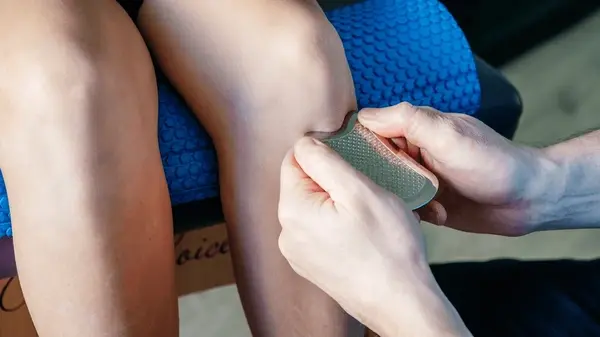
The Graston Technique is a form of instrument-assisted soft-tissue mobilization. It uses specially designed instruments that are moved over targeted muscles, tendons, and other soft tissues with controlled pressure.
Unlike traditional massage, which primarily uses the hands, the Graston Technique uses instruments to apply pressure to specific areas. We can adjust the technique based on the area being treated, your condition, and your comfort.
The technique may be used on its own or alongside stretching, therapeutic exercise, chiropractic care, physiotherapy, or rehabilitation.
What May the Graston Technique Be Used For?
Depending on your evaluation, the Graston Technique may be considered for certain muscle, tendon, and soft-tissue concerns, including:
Muscle tightness or soreness
Certain tendon-related concerns
Repetitive strain from work or activity
Neck and shoulder tightness
Lower back soft-tissue discomfort
Certain plantar fascia concerns
Soft-tissue limitations following some injuries
Sports-related muscle or tendon concerns
Similar symptoms can have different causes. We first evaluate what you are experiencing rather than assuming that a soft-tissue technique is the right treatment.
Why Consider the Graston Technique?
When appropriate, instrument-assisted soft-tissue treatment may help support:
More comfortable movement
Mobility in an area affected by soft-tissue tightness
Management of certain muscle or tendon-related symptoms
Rehabilitation after selected musculoskeletal injuries
A gradual return to work, exercise, or sports
Other treatment and exercise recommendations in your care plan
Your response to treatment can vary. We explain what the technique may realistically offer based on your condition rather than promising a particular result.
How the Graston Technique Fits Into Your Care
At The Feel Good Doc, we do not rely on one technique for every concern. If soft-tissue tightness is affecting your movement or function, we also consider how your joints, strength, activity level, work demands, and previous injuries may be involved.
Depending on your needs, your plan may combine the Graston Technique with chiropractic adjustments, therapeutic exercise, stretching, physiotherapy, or other rehabilitation strategies.
Our goal is to choose the treatments that make sense for you rather than automatically combining multiple services.
Sports and Injury Care
Dr. Mendoza has experience working with athletes and sports-related injuries. Repetitive training, overuse, and certain injuries can affect muscles, tendons, and other soft tissues and make it difficult to return to activity comfortably.
We assess how the problem affects your movement and function before deciding whether to include the Graston Technique in your rehabilitation plan. We also evaluate musculoskeletal concerns related to auto accidents and workplace injuries.
We include instrument-assisted soft-tissue treatment only when it fits the specific injury and stage of recovery.
What to Expect During Treatment
Before treatment, we discuss your symptoms, health history, medications, previous injuries or procedures, and goals. We may also assess your movement and the area causing concern.
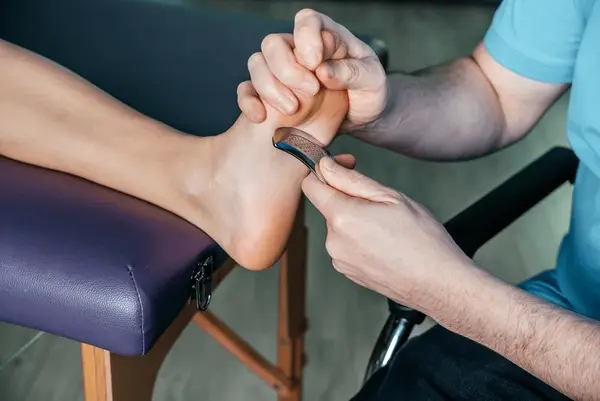
During treatment, we apply a small amount of lotion or lubricant to the skin and move a specialized instrument over the targeted area using controlled strokes.
You may feel pressure, pulling, or tenderness, particularly over a sensitive area. Let us know how the treatment feels so we can adjust the pressure or technique when needed.
We may also recommend stretching or therapeutic exercises as part of your plan.
What Can You Expect After Treatment?
Temporary redness, tenderness, or mild soreness can occur after treatment. Some individuals may also notice minor bruising.
We will explain what to expect based on the area being treated and let you know whether you should temporarily modify any activities.
Tell us if you develop significant bruising, worsening pain, skin irritation, or another unexpected reaction.
When May the Graston Technique Not Be Appropriate?
Instrument-assisted soft-tissue treatment is not appropriate for every condition or treatment area.
Tell us if you have:
An open wound, skin infection, or significant skin irritation in the treatment area
A bleeding or clotting disorder
Medications that affect bleeding or bruising
A recent fracture or significant acute injury
Recent surgery involving the treatment area
Significant loss of sensation in the area
Another medical condition that may affect soft-tissue treatment
We review your health history and current condition before recommending treatment and may suggest another approach when appropriate.
Supporting Your Progress Between Visits
What you do between appointments can also support your recovery. Depending on your condition, we may recommend stretching, strengthening, gradual activity changes, or other movement strategies.
Follow the recommendations provided for your specific situation and let us know if your symptoms change or worsen.
Why Choose The Feel Good Doc?
Dr. Mendoza has been practicing since 2003 and brings experience in chiropractic care, sports-related concerns, and rehabilitation to his approach.
When you visit us, you can expect:
Personalized, whole-person care based on your symptoms, movement, lifestyle, and goals
Experience with sports and musculoskeletal injuries
Soft-tissue treatment integrated with rehabilitation when appropriate
Treatment options beyond basic chiropractic adjustments
Clear explanations about what we are doing and why
A friendly, professional environment where your comfort and questions matter
After serving Long Island through our established Freeport and Massapequa locations, we are also bringing the same personalized approach to Centereach and the surrounding Suffolk County community.
Find the Graston Technique Near You
If you are considering the Graston Technique near you, we can evaluate your concern and explain whether instrument-assisted soft-tissue treatment may fit your needs.
Centereach: 1973 Middle Country Rd., Space 11, Centereach, NY 11720
Freeport: 31 Guy Lombardo Ave., Freeport, NY 11520
Massapequa: 5372 Merrick Rd., Massapequa, NY 11758
For Freeport or Massapequa, call (516) 213-4610. For Centereach, call (631) 519-9907.
FAQs
Does the Graston Technique hurt?
You may feel pressure or tenderness, particularly over a sensitive area. Tell us how the treatment feels so we can adjust the pressure or technique when needed.
Can the Graston Technique cause bruising?
Temporary redness or minor bruising can occur. Tell us if you bruise easily, have a bleeding disorder, or take medication that affects bleeding.
How many treatments will I need?
There is no standard number of visits for everyone. The frequency and length of care depend on your condition, goals, and response to treatment.
Is the Graston Technique the same as massage?
No. Both involve soft-tissue treatment, but the Graston Technique uses specialized instruments, while traditional massage primarily uses hands-on techniques.
Can the Graston Technique be combined with rehabilitation?
Yes, when appropriate. It may be combined with stretching, therapeutic exercise, physiotherapy, chiropractic care, or other rehabilitation strategies based on your needs.
Does the Graston Technique guarantee pain relief?
No. Results vary by condition and individual response. We can explain why we’re considering the technique, its limitations, and other options that may be appropriate for you.