
EMG and NCV Testing
EMG and NCV Testing Near You
Numbness, tingling, weakness, or pain that travels into an arm or leg can be difficult to understand from symptoms alone. Electrodiagnostic testing can show how your nerves and muscles function and help clarify what may be contributing to your symptoms.
At The Feel Good Doc, Dr. Walter E. Mendoza provides EMG and NCV testing near you in Freeport, Massapequa, and Centereach. We review your symptoms, health history, examination findings, and testing results together so you can better understand what the findings may mean for your care.
What Are EMG and NCV Tests?
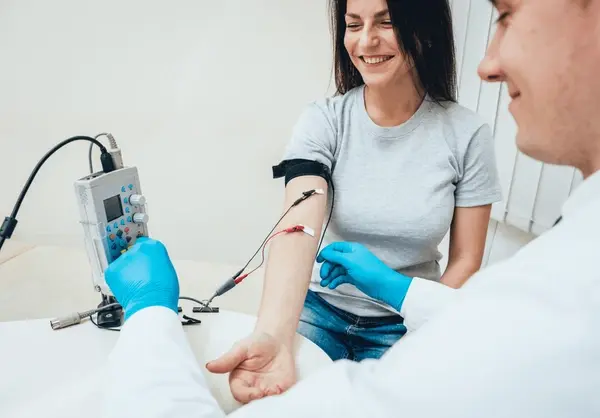
EMG, or electromyography, and NCV, or nerve conduction velocity testing, evaluate different aspects of nerve and muscle function. They are diagnostic tests rather than treatments.
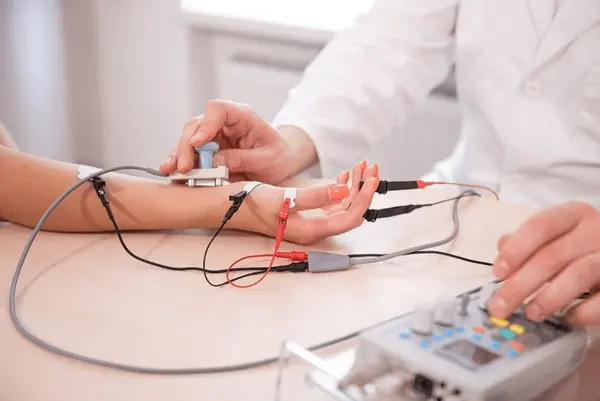
Nerve conduction testing measures how electrical signals travel through selected nerves. Small electrodes are placed on the skin to record the nerve’s response while brief electrical stimulation is applied.
Electromyography measures electrical activity in selected muscles using a thin needle electrode. We may evaluate the muscle both at rest and while you gently contract it.
Depending on your symptoms, we may perform one or both tests.
What Can EMG and NCV Testing Help Evaluate?
Electrodiagnostic testing may be considered when symptoms suggest a nerve or muscle problem. It can provide useful information when evaluating concerns such as:
Persistent numbness or tingling
Pain that travels from the neck into an arm
Pain that travels from the lower back into a leg
Unexplained muscle weakness
Carpal tunnel syndrome and other nerve entrapments
Certain nerve injuries
Peripheral neuropathy
Cervical or lumbar radiculopathy
Muscle twitching or cramping
Foot drop
Certain muscle disorders
Testing does not answer every question about pain, numbness, or weakness. We interpret the findings alongside your symptoms, medical history, and physical examination.
Why Are EMG and NCV Often Performed Together?
Nerves and muscles work together, but EMG and NCV testing provide different information.
NCV testing helps assess how well selected nerves conduct electrical signals. EMG examines the electrical activity of selected muscles and can provide information about how the nerves supplying those muscles are functioning.
Using the tests together can sometimes help us better identify the location and type of nerve or muscle problem.
What to Expect During Testing
Before testing begins, we discuss your symptoms, health history, medications, previous injuries, and any relevant medical conditions.
For the NCV portion, we place electrodes on your skin and apply brief electrical stimulation to selected nerves. You may feel a quick tapping, tingling, or electrical sensation.
For the EMG portion, we insert a thin, sterile needle electrode into selected muscles. You may feel a brief pinch or mild discomfort. We may ask you to relax the muscle and then gently contract it while electrical activity is recorded.
The number of nerves and muscles tested depends on your symptoms and the information we need.
How Should You Prepare?
We will provide any specific instructions before your appointment. In general:
Wear comfortable clothing that allows access to the area being tested.
Bathe normally before your appointment.
Do not apply lotions, oils, or creams to the testing area on the day of your test.
Take your medications as usual unless you are specifically told otherwise.
Tell us if you take blood-thinning medication or have a bleeding disorder.
Tell us if you have a pacemaker, defibrillator, or other implanted electrical device.
Bring relevant imaging, medical reports, and a current medication list if available.
Try to keep your hands and feet warm before testing because temperature can affect nerve conduction measurements.
Fasting is generally not required for routine EMG and NCV testing unless you receive different instructions.
What Happens After Testing?
Most individuals can return to their usual activities after testing. You may notice mild temporary soreness or a small bruise in a muscle tested with the needle electrode.
We interpret your results together with your symptoms and examination findings. Depending on what the testing shows, the information may help guide treatment, additional testing, rehabilitation, or referral for another type of evaluation.
Our goal is to use the results as one part of a broader assessment rather than treating a test result in isolation.
Why Choose The Feel Good Doc?
Dr. Mendoza has been practicing since 2003 and has specific training and certification in EMG and nerve conduction velocity testing.
When you visit us, you can expect:
Relevant electrodiagnostic experience in EMG and NCV testing
Personalized evaluation based on your symptoms, health history, and examination findings
Clear explanations before, during, and after testing
A broader approach to care that considers your movement, function, and overall needs
Additional treatment and rehabilitation options when appropriate
A friendly, professional environment where you can ask questions and understand your next steps
After serving Long Island through our established Freeport and Massapequa locations, we are also bringing the same personalized approach to Centereach and the surrounding Suffolk County community.
Find EMG and NCV Testing Near You
If you are looking for EMG and NCV testing near you, we can discuss your symptoms and determine whether electrodiagnostic testing may provide useful information.
Centereach: 1973 Middle Country Rd., Space 11, Centereach, NY 11720
Freeport: 31 Guy Lombardo Avenue #2, Freeport, NY 11520
Massapequa: 5372 Merrick Rd., Massapequa, NY 11758
For Freeport or Massapequa, call (516) 213-4610. For Centereach, call (631) 519-9907.
FAQs
Does EMG and NCV testing hurt?
NCV testing causes brief electrical sensations that may feel like tapping or tingling. Needle EMG may cause a brief pinch and mild temporary soreness. Tell us if you are uncomfortable during testing.
Are EMG and NCV the same test?
No. NCV testing evaluates how electrical signals travel through selected nerves, while EMG records electrical activity in selected muscles. They are often performed together because they provide different information.
How long does EMG and NCV testing take?
Testing time depends on the number of nerves and muscles that need to be evaluated. Many appointments take approximately 30 minutes to one hour.
Do I need a referral?
Referral requirements can vary depending on your insurance plan and reason for testing. Contact our office and your insurance provider to confirm what applies to you.
Will EMG and NCV testing tell me exactly what is causing my symptoms?
Not always. The tests provide specific information about nerve and muscle function, but we interpret the results together with your symptoms, health history, and examination.
Can I return to normal activities after testing?
Usually, yes. Most individuals can return to their normal activities after testing. Mild soreness or minor bruising may occur in muscles examined during needle EMG.